Evaluating a Hunting Design for Real-World Embroidery Projects
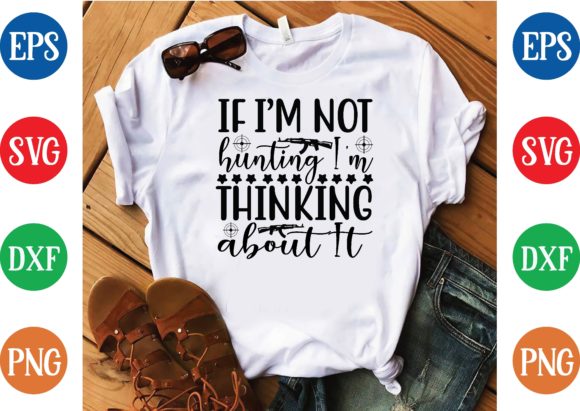
As a designer who regularly turns digital files into physical, stitched products, my first job is always a visual assessment. Looking at If I’m Not Hunting I’m Thinking About It, the immediate impression is one of straightforward, confident hobbyist pride. The phrase itself is the clear focal point, and the design’s success will hinge entirely on how that text translates into thread. This isn’t a complex scenic graphic; it’s a statement piece, and that makes its application both versatile and specific.
The Mood and Fit: Where This Design Belongs
The theme creates a specific, friendly mood—it’s a lighthearted admission of passion. This isn’t aggressive or overly technical; it’s relatable. For embroidery, that means it naturally fits projects intended as gifts for a hunting enthusiast, or as merchandise for a small business catering to that community. Think personalized items: a custom embroidered cap for a father, a tote bag for carrying gear, or a cozy sweatshirt for weekend wear. The design’s personality is casual and proud, so it would feel out of place on overly formal apparel but perfect on workwear, casual jackets, or home goods like pillow covers in a cabin or lodge.
A Real Project Scenario: The Embroidered Sweatshirt Gift
Let’s walk through a typical use case. I’m considering this design for a heavyweight cotton sweatshirt, a popular holiday gift item. The text-based nature is a plus here; a large, clean satin stitch or a crisp fill stitch rendition of the phrase across the chest or upper back could look excellent. My immediate thought is about readability. On a textured fabric like fleece, small, thin lettering can get lost. I need to visualize how the letterforms in this design will hold up. Will the words “Thinking About It” remain clear when stitched? This dictates my choice of hoop size and stabilizer. A larger hoop allows for larger stitching, which inherently improves clarity for text-driven designs like this one.
Performance Across Different Embroidery Situations
For machine embroidery, a design like this can be wonderfully adaptable. On a sturdy tote bag or apron, it can be stitched boldly with high density. On a baby onesie or lightweight tee (assuming the theme fits a playful family context), I’d be much more cautious. Stretchy or thin fabrics require careful management of stitch density to prevent puckering or distortion of the fabric. The density of the fill in the text, if any, is a crucial unknown that I’d need to test.
As a embroidered patch, this design could be fantastic. Patches are forgiving; you can use firm stabilizer and then attach them to almost anything—caps, jackets, backpack. This would be a smart way to create a durable, reusable product for a craft fair or Etsy listing. For a kitchen towel
Caution Areas: Where to Plan Carefully
Several scenarios demand extra planning. First, small hoop sizes. Trying to cram this text into a 4x4 hoop for a tiny design on a cap’s curved front could compromise detail integrity. The lettering might become too condensed. Second, dark fabric. This is a universal embroidery consideration, but for a statement phrase, thread color contrast is paramount. A test on scrap fabric is non-optional here to ensure the chosen thread pops against navy, black, or charcoal. Third, products needing frequent washing, like apparel or tea towels. A very dense stitch area might feel stiff on fabric and could wear differently over time. A lighter running stitch outline or a less dense fill might be a better approach, depending on the final file’s construction.
Impact on Product Value and Customer Perception
From a small business owner’s perspective, a well-executed embroidery of this design adds tangible value. It transforms a plain garment into a personalized gift or niche merchandise. The clarity of the stitching directly impacts customer trust—a clean, professional-looking finish suggests quality. For an Etsy seller or boutique, it helps build brand consistency if you’re known for crisp, thoughtful hobby-themed items. The “giftability” here is high; it’s a recognizable sentiment for a specific audience. However, the professionalism comes from the execution, not just the file. A poorly stitched version, with puckered fabric or blurred letters, would undermine that appeal completely.
Practical Designer Notes Before You Stitch
My workflow for a design like If I’m Not Hunting I’m Thinking About It always involves these steps. I never skip the scrap fabric test. I’ll stitch it on both light and dark scrap material to judge contrast and density. I’ll check the actual stitch composition in my software—are there tiny details or serifs on the letters that might vanish on fabric? I’ll confirm the effective hoop size needed for my intended project. Stabilizer choice is matched to the final product’s fabric: tear-away for stable items, cut-away for stretchy knits.
Since this product is described as a cutting file and graphic, I must note a crucial point for embroidery designers: this file may need conversion or adaptation for your specific embroidery machine format. Its compatibility with cutting software doesn’t guarantee it’s an immediate embroidery file. This is a common consideration when using graphics. Always verify you have the correct, stitch-ready file type for your machine before proceeding.
Finally, and vitally, I always confirm the licensing terms. For use in commercial embroidery projects, where I’m selling the finished tote bag or cap, I need clear permission to sell the physical product. Many digital product sellers allow this, but checking is a necessary part of professional practice. It protects my craft business and respects the designer’s work.
In summary, If I’m Not Hunting I’m Thinking About It presents a solid, thematic foundation for a range of embroidery projects. Its success will be determined by your thoughtful application of embroidery fundamentals: appropriate hoop size, careful fabric and stabilizer pairing, and impeccable thread choice to make that proud statement shine in thread. When done right, it becomes a thoughtful, handmade product that perfectly captures a hobbyist’s passion.