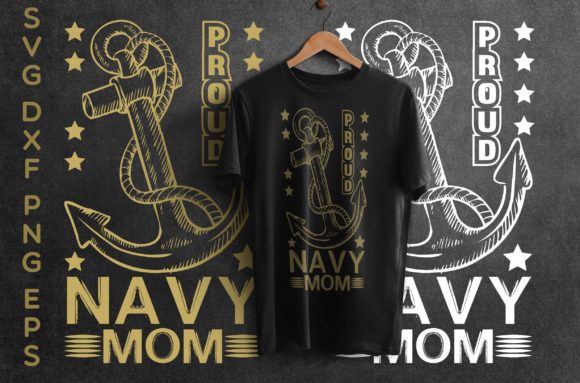
A Real Designer’s Look at the Navy T-Shirt Design
First Glance: Where This Design Belongs
When I first opened the Navy T-Shirt Design file, my immediate impression was one of classic, clean strength. It’s not overly fussy, which is often a good sign for an embroidery file meant for real-life projects. The mood it creates is confident and straightforward, leaning toward timeless rather than trendy. This kind of visual personality feels like it belongs on items where you want a statement that’s clear but not loud. Think of a well-made sweatshirt for a small shop, a sturdy tote bag for a boutique, or a simple, elegant pillow cover in a neutral-themed room. It has the kind of layout that would translate well into stitches without losing its core shape.
The Reality of Stitching It Onto Actual Products
Let’s walk through a real scenario. I’m considering this for a custom embroidered tote bag for a local craft fair. My primary concern is always how a design will look after it’s stitched, not just how it looks on screen. With this Navy T-Shirt Design, the detail level appears manageable. I’d be looking at how the satin stitch or fill stitch areas might behave. On a textured fabric like canvas for a tote, stitch density is crucial—too dense can make the fabric stiff, too light might look sparse. This design seems balanced, but the real test is always on scrap fabric first.
It would also be a strong contender for a high-quality sweatshirt embroidery or a crisp apron for a kitchen towel set. The potential for baby embroidery items is there, provided you scale it appropriately and choose a very soft fabric backing. For a personalized gift like a wedding gift blanket or nursery decor, the design’s clarity would lend a professional, handmade presentation that builds customer trust. It’s the sort of design that elevates a simple product into something with perceived value.
Where This Design Could Shine
For commercial embroidery projects or small business merchandise, this file offers a solid foundation. An Etsy seller could use it across a line—from caps to tea towels—to create brand consistency. Its adaptability for men, women, kids, and baby items, as noted, means it can be a versatile digital embroidery file for a craft business. In a printable mockup for an online listing, it would present cleanly, aiding buyer engagement. As an embroidered patch, it could hold its own, provided the corners and small details are tested for stitching clarity.
Caution Points: Where to Use This Design Carefully
No design is perfect for every surface, and practical judgment means acknowledging limits. For the Navy T-Shirt Design, I’d be cautious on a few fronts. On very stretchy fabric like a thin t-shirt, stabilizer choice becomes paramount to prevent puckering. Embroidering on dark fabric backgrounds requires careful thread color contrast planning; you might need to opt for brighter top threads to maintain visual appeal.
Small hoop sizes could be challenging if the design has any intricate areas—always confirm your intended hoop size fits the design’s scale. Layered garments, like a hoodie with a quilted lining, or curved surfaces like caps, require extra attention to stitch placement and possible reduction of detail. If the design contains any tiny lettering, I’d advise testing that section specifically to ensure it remains legible after stitching. Products destined for frequent washing, like baby clothes, need a robust stitch structure; check density and secure any decorative accents.
Thinking Like a Customer
When I imagine a customer seeing a finished product with this embroidery, I think they’d appreciate its clean execution. It doesn’t look like a rushed, generic graphic. That professionalism directly affects giftability and recognition. For a handmade shop owner, using a design that stitches out clearly and reliably is key to building a reputation. This design feels like it has the potential to be that reliable asset.
Practical Designer Notes Before You Hoop It
Before committing this to a client project or your small shop product lineup, here’s my checklist. Always, always test the Navy T-Shirt Design on a scrap of the actual fabric you plan to use. Review stitch density by running a small section. Inspect small details in the embroidery file on your machine’s preview. Check thread color contrast by viewing the design in black and white mockups and comparing how it will look on both light and dark fabric backgrounds.
Use proper stabilizer for the fabric type—don’t skip this step. And crucially, confirm the licensing before selling finished items or digital products. The product description mentions it’s an instant download cutting file compatible with many machines, but for embroidery, you must verify the formats and terms for your specific machine embroidery design use, especially for commercial embroidery. It’s your responsibility to know whether the design works for both personal and commercial projects.
The Final Take: A Design Worth Exploring
In the hands of an experienced designer or a thoughtful crafter, the Navy T-Shirt Design can become a versatile embroidery project asset. It’s not a flashy design, but its strength is in its adaptability and clean execution potential. From a custom apparel line to holiday gifts, it offers a foundation you can build upon with quality craftsmanship. My final advice is to approach it with a practical, testing mindset. See how it performs in your real-world scenario—on that tote, sweatshirt, or baby item—and let the stitching tell you its true story. That’s how you turn a digital design asset into a finished product that truly resonates.